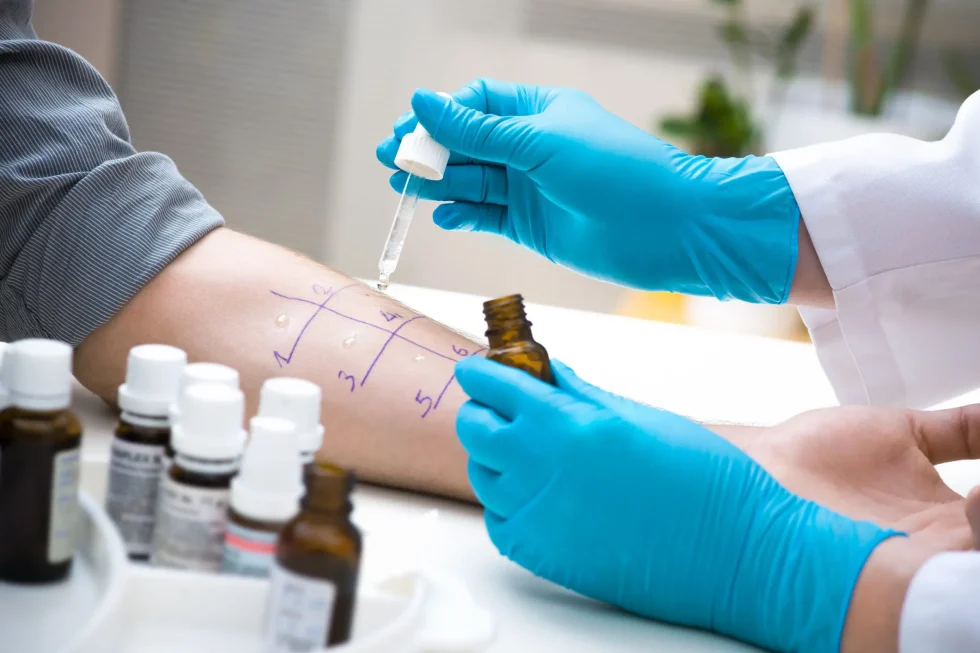
Lab tests help us monitor type 2 diabetes beyond a single glucose reading. We use a combination of history, examination, home readings when available, and laboratory tests to understand blood sugar patterns and identify health issues that may need attention. The exact tests and timing depend on your treatment, current control, kidney function, cardiovascular risk, and other health factors.
At M.F. Family Health NP P.C., our chronic disease management approach connects your laboratory results with your goals and ongoing care. We explain what each result is meant to show and what it cannot prove by itself.
Lab tests for type 2 diabetes monitoring commonly include A1C, blood glucose testing, kidney function tests, urine albumin testing, and a lipid panel. Additional tests may be needed based on medications, symptoms, or other health conditions. Results are most useful when evaluated alongside medical history, home glucose readings, and trends over time.
A1C and average blood sugar
The A1C test reflects average blood glucose over roughly the previous two to three months, although factors such as red-blood-cell disorders can affect interpretation. We use it to track a pattern rather than to judge one day. A result should be interpreted with your glucose readings, medicines, symptoms, and medical history.
Glucose testing
Fasting glucose, random glucose, or other glucose measurements may be used depending on the clinical question. A single value can change with meals, illness, stress, activity, and medication timing. We look for patterns and confirm unexpected results when needed rather than making a care decision from an isolated number.
Kidney-related monitoring
Diabetes can affect the kidneys, so clinicians may monitor kidney function with blood and urine testing. These tests can provide information about filtration and whether albumin is appearing in the urine. The specific tests, frequency, and interpretation depend on your history and current results.
Cholesterol and cardiovascular risk
A lipid panel may help us evaluate cholesterol and triglyceride levels as part of cardiovascular risk management. Blood pressure, smoking, age, family history, kidney health, and existing cardiovascular disease also matter. We use the full risk picture rather than treating one cholesterol number as the whole story.
Other tests and individualized decisions
Some patients need additional testing based on symptoms, medicines, complications, or another condition. We may review liver-related tests, blood counts, thyroid testing, or other studies when they are clinically relevant. We do not order every test for every person, and we do not interpret a result without considering why it was obtained.

How to prepare for diabetes lab work
Ask whether you need to fast, take your usual medicines, or bring home glucose records. Bring a current medication and supplement list, recent results, and questions about changes you have noticed. If you feel very unwell, are vomiting, are confused, or have severe dehydration symptoms, seek urgent care rather than waiting for routine bloodwork.
Keeping results in context
Bring previous A1C values, home glucose readings, medication changes, and notes about recent illness or steroids. A trend often tells us more than a single result. We explain which changes are expected and which deserve a follow-up conversation.
Do not skip prescribed medicines or change doses because of an online article. If results concern you, contact our office or the clinician managing your diabetes so the next step is based on your actual history and report.
How to connect with our practice
If you want to discuss this topic with our team, you can explore Chronic Disease Management. You can also book an appointment or call (718) 285-4440. We are located at 2627 Hylan Blvd D2, Staten Island, NY 10306.
Frequently Asked Questions
Is A1C the only diabetes test I need?
No. Monitoring may also involve glucose, kidney-related tests, cholesterol, and other studies selected for your health situation.
Can one high glucose result explain my diabetes control?
Not usually. We consider timing, meals, illness, medicines, symptoms, and patterns over time.
Should I fast before diabetes bloodwork?
Ask about your specific order. Preparation depends on which tests are being performed.