Travelling is fun, but it can also be stressful on your body. By following appropriate health tips when travelling, you will feel energised, avoid illness, and enjoy all aspects of your trip. Packing essentials for staying hydrated, working out, and keeping your skin covered is a simple measure that will significantly improve your overall well-being. It is possible to travel safely and healthily with the help of the experts and practical steps.
Essential Pre-Travel Health Preparations
A little planning before you leave can help you avoid common health issues and feel more comfortable once you are on the go.
Check Travel Insurance and Medical Coverage
Before any trip, ensure your medical cover is valid and can be extended to cover an emergency abroad. Being informed gives you the chance to avoid losing your head and to get treatment when you need it. It is possible to save time and avoid complications by having health records, vaccination certificates, and the required prescriptions in hand.
Schedule a Health Check and Vaccinations
Find out about any conditions or risks you may have when travelling, and consult your doctor. Destination vaccinations are necessary. A quick health check may also reveal issues such as flying and low blood pressure, which may help you plan how to manage the journey to ensure your safety.
Refill Prescriptions and Pack Medications
Take all drugs and refill them before leaving, and put them in their original containers. Add the additional dosages in case of unforeseen delays. Carrying medicines in a carry-on bag makes them easily accessible and helps prevent missed doses while travelling.
Nutrition and Hydration Tips on the Go
Risk management: Maintaining a healthy diet and drinking plenty of water supports energy and immune function. Bring healthy snacks, such as fruit, nuts, or protein bars, on flights or during long road trips. Do not take too much caffeine or alcohol, as they can make your body dehydrated.
Taking small meals at frequent intervals helps maintain energy levels. When travelling abroad, fresh fruits and vegetables are the best foods to consume, as well as foods that don’t cause stomach discomfort. Health tips for travelling are among the easiest yet most effective, including proper nutrition.
Staying Active and Preventing Aches on Long Journeys
When travelling long distances, get up every hour to stretch and move around. Light activities, such as walking, help prevent stiffness and reduce the risk of blood clots. On a plane, turn your ankles and flex your knees periodically to improve blood circulation.
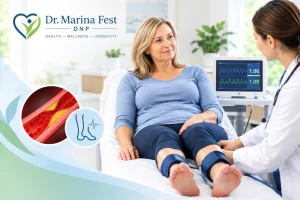
Compression socks can help prevent swelling and reduce the risk of deep vein thrombosis. They are invaluable for long flights/road trips. These socks make travelling easier and more secure.
Sleep and Jet Lag Management
Sleep is essential to a healthy travelling experience. Set your schedule to the destination’s time before you fly. Eye masks, earplugs, and comfortable pillows worn during flights help improve sleep.
When you are exposed to sunlight upon arrival, you can control your body clock. Do not eat heavy foods at night and keep oneself hydrated. These basic tips are crucial for staying healthy during travel and maintaining energy levels throughout the trip.
Preventing Common Travel Illnesses
Wash your hands frequently and carry hand sanitiser when in crowded places. Do not consume raw or suspicious food, and ensure water is potable. Travel health prevents illness, keeps you on the move, and minimises inconveniences.
Think of vaccinations and travel warnings for destinations. Some simple measures, such as sanitising hotel surfaces or aeroplane tray tables, can help prevent infections while travelling. These health tips are crucial when travelling to ensure a stress-free trip.
Sun Protection and Skin Care During Travel
Wear a sunscreen with an adequate SPF and replenish it after swimming or sweating. Wear hats and sunglasses to shield your eyes and skin from UV damage. Skin may be parched due to sun exposure, wind, and climate fluctuations when protection is not used.
Keep the skin hydrated and moisturised; this helps maintain its health. Health guidelines for travel, such as covering skin and using soothing lotions during peak sunlight hours to prevent irritation during outdoor activities, are sound health tips.
Safety and Hygiene Best Practices
Carry the travel documents, medicines, and first-aid kits. Wipe personal items and avoid touching your face in congested areas. Safe practices: They help prevent infections and make your trip more enjoyable.
Hygiene is not only a comfort issue but also a vital part of overall well-being when travelling. Handwashing, proper food handling and personal protective equipment can prevent preventable health complications.
Tips for Specific Travel Scenarios
Sharing is common on cruise ships, so hygiene matters. Frequent handwashing, avoiding crowded places when unwell, and sanitising cabinet surfaces. These measures may be taken to avoid illnesses on board.
Have regular breaks of stretching and walking. Eat healthy snacks, drink plenty of water, and maintain proper posture. Avoid sarcophagus-like problems and tiredness by moving about regularly. Here are practical health tips for travel, for both drivers and passengers.
What to Do If You Get Sick While Travelling
Always keep a small first-aid kit and common medications for nausea, headaches, colds, and other common ailments. Be familiar with the locations of the local clinics or hospitals you plan to visit.
Consult your physician before travelling if you have any underlying conditions, such as lung blood clots. Bring a copy of the documentation and required drugs. Preparation is a guarantee of security and peace of mind throughout your travel.
Conclusion
To travel safely, one must be prepared, aware, and take good care of oneself. These travel health tips guarantee a smooth, enjoyable, stress-free trip. Whether it is hydration and protection before travel or staying active, every step matters.
To help travellers stay healthy on any trip, Dr Marina Fest, DNP, offers expert guidance tailored to each traveller. The following measures would make your adventures exciting and safe.
Frequently Asked Questions
Can you fly with blood clots in your lungs?
Shifting with blood clots is dangerous. Before flying, consult a doctor and follow their advice. In most cases, Mayo Clinic recommends compression socks and anticoagulants.
What are the benefits of Mayo Clinic compression socks?
They help prevent swelling, improve circulation, and reduce the risk of deep vein thrombosis during flights or drives.
How can I manage low blood pressure during a flight?
Stay hydrated, exercise, and avoid sudden changes in position. Stability during air travel is maintained with light meals and occasional stretches.