The body needs a robust immune system to protect against infectious diseases and chronic health conditions. In today’s hectic schedules, inadequate nutrition, and insomnia, the immune system may wear out faster than we can imagine. It is a guide by Dr. Marina Fest, DNP, that explains how immune health can be supported through evidence-based nutrition, lifestyle habits, and practical, everyday strategies.
Understanding the Immune System
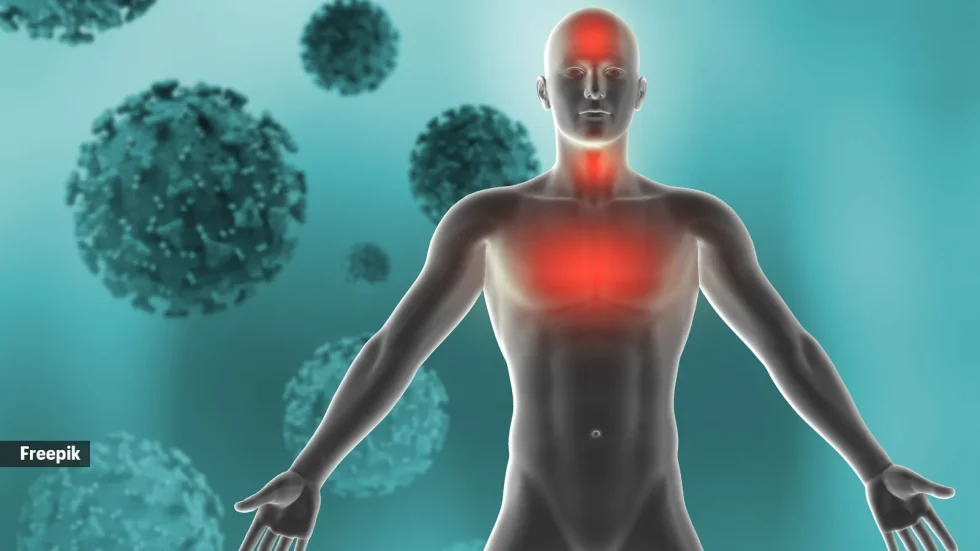
The immune system is a complex network of cells, tissues, and organs that collaborate to protect the body. It recognizes dangerous pathogens, such as bacteria, viruses, and toxins, and destroys them before they cause severe illness. A healthy immune system also helps maintain balance and strength in the body.
White blood cells, lymphocytes, antibodies, and even gut bacteria are essential for immunity. Weaknesses in the system, such as high WBCs, low lymphocytes, or frequent infections, can be observed. To sustain the immune system, regular nutrition, rest, and positive habits are needed, not quick fixes or temporary boosters.
Common Misconceptions About Boosting Immunity
Many people think they can be immediately immunized against disease with an immune system booster. Immunity is, in fact, not a thing that goes up overnight. The idea is to ensure a healthy and vigorous, meaning strong and adaptive immune response, as opposed to overstimulating it.
Proper nutrition cannot be substituted by products such as Boost or single supplements. High or abnormal immune readings on blood tests, including RBC tests, can indicate underlying health complications, such as stress-induced inflammation or malnutrition. It takes a long time to achieve true immunity and not shortcuts.
Key Nutrients That Support Immune Function
Getting the right mix of vitamins, minerals, and antioxidant-rich foods helps your immune system respond well and recover faster when you are run down.
Vitamins and Minerals Essential for Immunity
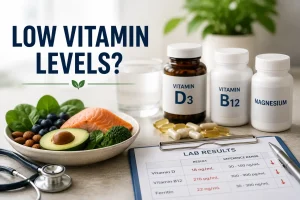
Vitamins are crucial for immunity and cell repair. Foods rich in vitamin A help ensure healthy skin and mucosal barriers, which are the first line of defense of the body. Foods containing vitamin B aid in the metabolism of energy as well as the production of immune cells, particularly when one is stressed or sick.
It is also essential to have minerals such as zinc. Immune cells can communicate and combat infections effectively with zinc-rich foods. The lack may lead to delayed fatigue recovery and persistent illness. These vitamins work together to maintain immune system stability and optimal performance.
Antioxidants and Immune Supporting Compounds
Antioxidants prevent immune cells from being damaged by oxidation. Foods containing Vitamin C are among the most potent immune boosters, helping white blood cells function properly. Eating foods rich in vitamin C daily can help reduce the duration and severity of the infection.
Citrus fruits, pepper, and berries are examples of high vitamin C-containing foods. These substances also promote collagen development and help manage inflammation, enhancing the body’s immune system.
Best Foods for Supporting Immune Health
Foods also play an underpinning role in boosting the immune system. Citrus fruits such as oranges, lemons, and grapefruit are rich in vitamin C, an antioxidant, and hydrating, helping the immune system respond promptly to illness.
Nuts and fish also promote immunity. The question many people ask is, “Are almonds good or walnuts good?” The answer is yes. They are healthy fats that include vitamin E and minerals. Fatty fish brings about an inquiry of whether salmon is good for you, which it is because of omega-3s that lower inflammation and balance the immune system.
Lifestyle Habits That Strengthen Your Immunity
Immunity directly depends on lifestyle choices. When sleep is high quality, immune cells can repair and regenerate; however, when sleep is chronically disrupted, immune signaling weakens. Regular moderate exercise enhances circulation, enabling immune cells to move freely throughout the body.
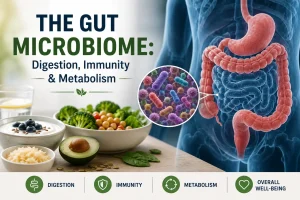
It is also necessary for hydration and gut health. Eating the most health-promoting foods supports healthy microbes that help control immune responses. An uninfected gut enhances nutrient absorption and reduces inflammation, thereby directly boosting the immune response.
Supplements: What Helps and What Does Not
Supplements are used in addition to dietary intake when intake of whole foods is insufficient. The best probiotics maintain gut health, which indirectly enhances immunity, particularly after antibiotics or illness.
However, excessive supplementation is not good. Consumption of unapproved immune products without testing may cause imbalances. Professionals should assess conditions such as irregularities in T-cell function or deviations in blood markers. Supplements are most appropriate when they are focused and used under the guidance of a qualified healthcare professional.
Practical Daily Immune Boosting Routine
Immunes can be managed with a simple daily routine. Begin the day with hydrated, nutrient-dense foods and sunlight to support vitamin D production. Eat fruits, vegetables, and high-protein foods to maintain energy and support immune cell production.
When someone gets sick, a question arises: what to do. Fruits and fluids are best served with light meals to facilitate recovery. Natural foods are natural antibiotics because they do not disrupt gut balance and support the body’s healing process.
When to Seek Medical Advice
Persistent exhaustion, frequent infections, or abnormal laboratory test results require expert analysis. Increased WBCs or immune abnormalities detected in blood tests may indicate inflammation, infection, or immune dysfunction and should be addressed.
Children need special assistance. Parents will seek the best vitamins for children or a blood builder for the weak. They are to be selected at all times, under a physician’s supervision, to prevent overdose and imbalance and to provide safe immune support.
Conclusion
Promoting good immunity is a lifelong journey rooted in nutrition, a balanced lifestyle, and wise decisions. Being aware of your body, making the right food choices, and avoiding quick fixes will lead to sustainable health. Now you can have the information to build up your immune system naturally and efficiently, which will ensure that you always look good with the help of expert advice, such as that of Dr. Marina Fest, DNP.
FAQs
How to boost the immune system naturally?
Pay attention to wholesome foods, sleep management, and stress in nutrition, rather than focusing on individual products.
Are almonds good for you for immunity?
Yes, almonds are rich in vitamin E, healthy fats, and minerals, which support immune cell function.
Is salmon good for you when the immune system is weak?
Yes, salmon contains omega-3 fatty acids, which help reduce inflammation and support immune function.
What to eat when sick to recover faster?
Warm fluids, citrus fruits, soups, probiotics, and easily digestible foods aid immune recovery.