Hypertension or high blood pressure is a widespread and hazardous disease among millions of people worldwide. It puts one at risk of heart disease, stroke, and kidney issues when not controlled. Knowing how to lower blood pressure on an individual basis can greatly enhance long-term health and quality of life.
At Dr. Marina Fest, DNP, we understand that lifestyle-based interventions are a potent approach to safely and effectively controlling high blood pressure. This handbook outlines evidence-based, non-drug approaches to pressure reduction and heart health promotion.
What High Blood Pressure Is and Why It Matters
What is high blood pressure? It is a condition in which blood pressure on arterial walls is continuously elevated. Eventually, this additional stress ruptures blood vessels and other vital organs, posing a risk to the heart.
Chronic pressure hypertension may silently deteriorate without any symptoms. Stroke forms may result in a hypertensive crisis, which is a medical emergency that needs immediate treatment. Diagnosis helps prevent complications and yields better outcomes.
What Systolic and Diastolic Levels Mean
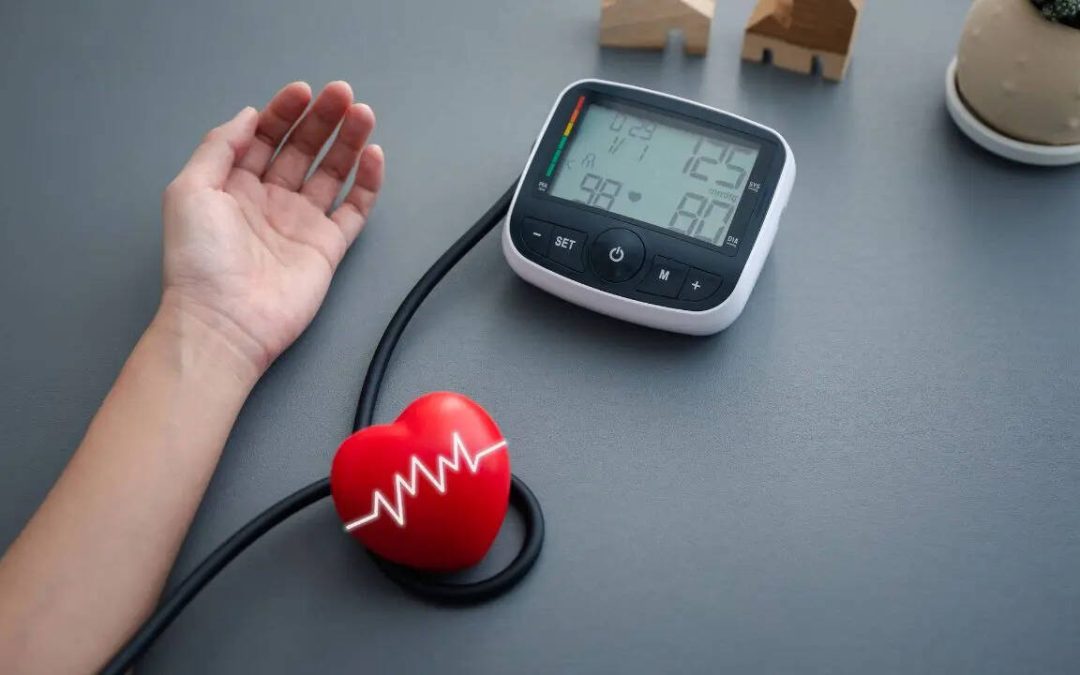
Blood pressure is measured as both systolic and diastolic. High levels are signs of high BP, and constant high values can be signs of stage 2 hypertension or htn, where the only remedy is rigorous lifestyle management.
Being aware of such values helps track progress and assess the effectiveness of strategies to reduce blood pressure. Frequent screenings are required in long-term care.
When to Seek Medical Advice
If readings suddenly rise, or if symptoms such as headache or chest pain occur, seek assistance. This can be a sign of a hypertensive crisis that cannot be treated at home and has to be treated immediately.
1. Lose Excess Weight to Reduce Pressure
Overweight conditions put pressure on the heart and blood vessels, leading to high blood pressure. Systolic and diastolic readings can be reduced substantially, even with moderate weight loss.
Maintaining an ideal weight improves blood flow and helps naturally stabilize blood pressure. One of the best non-drug interventions is weight control.
2. Commit to Regular Physical Activity
Exercise strengthens the heart so that with reduced effort, it can pump blood. This directly reduces blood pressure and improves cardiovascular fitness.
Regular, moderate-intensity exercise such as walking, cycling, or swimming helps maintain long-term control and reduces the risk of hypertension progression.
3. Follow a Heart-Healthy Diet
A diet high in fruits and vegetables, whole grains, and lean proteins supports healthy arteries and circulation. These eating habits have been shown to help lower blood pressure naturally.
Potassium intake can be enhanced by including foods that lower blood pressure, such as bananas, leafy greens, and beans. Potassium helps maintain sodium concentration and control vascular tone.
4. Reduce Sodium Intake
High salt content leads to water retention in the body, increasing blood pressure. Cutting back on processed foods is essential for controlling blood pressure.
Specific trends, such as the ‘salt trick’ among men, are deceptive. Sodium reduction can only be achieved through long-term dieting and not short-term solutions.
5. Increase Potassium-Rich Foods
Potassium relaxes blood vessel walls and antagonizes sodium. The recommended dose will help maintain normal blood pressure and reduce the risk of cardiovascular disease.
Equal amounts of potassium are particularly beneficial for individuals studying how to reduce blood pressure quickly through dietary approaches.
6. Limit Alcohol for Better Blood Pressure
Alcohol excess interferes with the functioning of blood vessels and increases pressure in the long run. Restricted consumption is prevented by stabilizing blood pressure and heartbeats.
Moderation promotes healthier blood flow and reduces the risk of developing stage 2 high blood pressure.
7. Quit Smoking and Avoid Tobacco Products
Nicotine temporarily elevates blood pressure and damages the artery walls. Prolonged consumption of tobacco aggravates hypertension and predisposes to heart diseases.
Cessation of smoking quickly improves circulation and helps maintain blood pressure.
8. Manage Stress and Improve Sleep
Long term stress is associated with hormonal alteration which increase blood pressure. Sleep deprivation also enhances this effect, particularly among the hypertensive.
Stress hormones can be managed through relaxation techniques and adequate sleep to stabilize stress levels in daily life.
9. Monitor Your Blood Pressure at Home
Early detection of rising pressure is possible with home monitoring. Measuring progress helps identify trends and evaluate lifestyle changes.
Regular monitoring will enable people to mobilize around prevention measures for low blood pressure.
10. Build a Support System and Healthy Habits
Consistency is essential in the long run. Family support, healthcare providers, and routine support should continue the progress.
Green practices are superior to temporary measures, such as instructions on how to treat elevated blood pressure within 3 minutes.
Supplements and Natural Remedies: What Evidence Shows
There are supplements marketed as remedies, though not all are evidence-based. Medical guidance should not be substituted for natural approaches, which should be used only as a supplement to lifestyle changes.
Consultation with a professional is always recommended before using supplements, particularly for high blood pressure.
Conclusion
Lifestyle changes, habits, and regular examinations can help to control high blood pressure without medication. Sustainable changes help provide sustained protection against heart disease and its complications.
During the Dr. Marina Fest, DNP, we emphasize evidence-based, natural interventions to help people achieve their desired blood pressure and improve cardiovascular health safely and confidently.
FAQs
What causes high blood pressure?
The primary causes are excessive salt intake, obesity, stress, a sedentary lifestyle, and genetic factors. Learning the causes of high blood pressure enables targeted prevention strategies.
How to lower blood pressure fast?
The short-term intervention includes rest, deep breathing, hydration, and sodium reduction. It involves long-term management and routine lifestyle modifications.
How to raise blood pressure if it’s too low?
Knowledge of how to increase blood pressure is essential to managing hypotension. Still, this method is entirely different for controlling hypertension and should be given a separate set of instructions.