Selecting an appropriate healthcare provider is a significant factor in managing your long-term health. A check-up with the new primary care physician is the first visit, which will help build trust, learn about your medical history, and develop a plan of care that suits your needs. Such a clinic, as exemplified by Dr. Marina Fest, DNP, is designed to make the initial encounter comfortable, informative, and patient-centered.
The visit to a primary care physician is not limited to discussing the current condition; it also encompasses prevention and the establishment of a positive doctor-patient relationship. This article provides an overview of what to expect when visiting it for the first time.
What a Primary Care Physician Does
The first step in general health care is to see a primary care physician. The question most individuals ask is what primary care doctors do, and the response typically involves diagnosing diseases, providing chronic and preventive care, and managing conditions through regular primary care visits.
When you visit the doctor, he looks over your medical history, lifestyle, and health goals during a standard visit. They are also the ones to make referrals to specialists when necessary, and, as such, are the cornerstone of your medical path and are frequently your doctor of first resort.
Why Your First Visit Sets the Foundation for Your Health
The initial appointment with a new primary care physician is necessary to establish care and develop an individualized health plan. During this appointment, the doctor can obtain your medical history, prior therapies, and any concerns you may have through a thorough consultation.
Defining the term “establish care” helps patients understand that this visit is a long-term wellness visit. It is not urgent, as it is a sick visit, and it builds anticipation for subsequent PCP visits and regular follow-ups.
How to Prepare Before Your Appointment
Planning before you visit your primary care physician is a sure way to have an effective visit. Bring former health records, immunization records, and a medication list to your primary care doctor appointment.
What is the way to obtain a primary care physician? Or how to book a primary care physician (PCP) in advance is also the subject of many patient research studies. Making a doctor’s appointment that aligns with your health needs is a more manageable and less stressful process.
What to Bring to Your First Visit
Arriving with the right information helps your provider understand your health history and keeps your first visit moving smoothly.
Essential Documents
To visit your primary care physician, you need to bring your valid ID, your insurance card, and your referral paperwork. With these documents, it is easy to streamline check-in and billing, particularly for CPT coding, such as the definition of CPT code 99204.
Proper documentation ensures that your primary care visit is documented. This is particularly pertinent to new-patient billing, such as the 99204 CPT description, which is commonly used during the first visit.
Health History and Medications List
A complete health history is essential to ensure your doctor can offer you better care during your first visit. Include any prior diseases, surgical procedures, allergies, and family history relevant to your health.
Carry a list of present drugs and supplements. It is one of the sources of accurate diagnosis and safe treatment planning when you are under the care of your primary care physician.
Step-by-Step: What Happens During the Appointment
Knowing how the appointment usually flows can help you feel prepared and make the most of your time with your provider.
Patient Check In and Initial Screening
Your visit to the physician typically includes a check-in, vital signs, and minimal screenings. Nurses can take blood pressure, weight, and temperature measurements before the doctor’s arrival.
This move facilitates the establishment of minimum health information for subsequent PCP visits. It also ensures that your doctor has the correct information before the consultation commences.
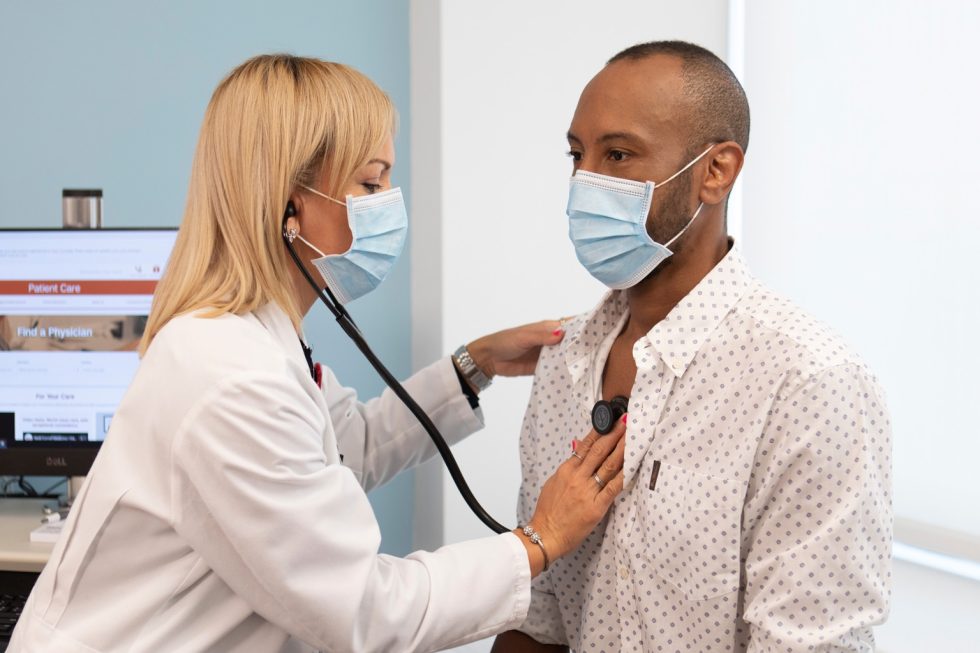
Meeting Your Doctor and Physical Assessment
The doctor thereafter discusses your lifestyle, goals, and concerns during the consultation. To determine your health history, a physical exam can be conducted.
The doctor can clarify follow-up measures, such as laboratory tests and referrals, as needed. Most patients can ask them, “What does a cardiologist do on their first visit?” However, your primary doctor will determine when a specialist is required.
Questions You Should Ask During Your First Visit
When you meet your drs for the first time, it is better to ask questions so you can understand your care plan. The areas may include preventive screenings, medications, or management of existing conditions.
Follow-up schedules and communication preferences should also be explained in this way. Open dialogue enhances trust and improves future primary care outcomes.
What Happens After Your Appointment
You can obtain lab orders, prescriptions, or lifestyle recommendations after your primary care visit. Some clinics book follow-up appointments or refer patients to experts when necessary.
The physician can record the visit using code 99204, which indicates the complexity of a new-patient encounter. Avoid ambiguous instructions that cause patients to lose interest in their care.
Tips to Make Your Next Visit Even Better
Record between PCP visits: symptoms and questions. This can ensure the maximum value from every physician visit.
Preventive care is aided by regular checkups rather than waiting until one is sick. First Family Clinic, Primary Health Eagle, and PrimaryCareWNY are among the clinics that emphasize continuity to improve health outcomes.
Common Concerns and How to Address Them
Most patients are concerned about expenses, time, or provider selection. You can reduce anxiety in the lead-up to your appointment with the drs by familiarizing yourself with your clinic and insurance policies.
Institutions such as the University of North Carolina Health Center, the University of Florida Health Center, Appalachian State Health Clinic, and aid organizations such as APLA Health or Healthy Hoos offer easy access to primary care for various communities.
Conclusion
The initial appointment with a new primary care provider is one of the most critical steps towards long-term health and preventive services. Preparation and information will help you build a robust relationship with your physician and later translate into positive results.
Under Dr. Marina Fest, DNP, patient-centered care, attention to communication, and individualized treatment plans make each primary care physician visit a fulfilling and empowering experience.
FAQs
How do I get a primary care physician?
A qualified physician can be found by searching provider directories, insurance networks, or local clinics, such as Vienna Family Medicine in Vienna, VA.
What happens during a PCP visit?
A pcp visit would involve medical history, a physical examination, and care planning, depending on your needs.
What does CPT code 99204 mean?
The definition of cpt code 99204 is an in-depth initial office visit with an intermediate level of complexity in a new patient.