Laser skin rejuvenation is now among the most sought-after cosmetic procedures for achieving smooth, youthful skin. Laser treatments for the face are also a way to address wrinkles, pigmentation, and skin tightening, thanks to technological advances. The number of options available also makes selecting the appropriate procedure overwhelming.
During Dr. Marina Fest’s DNP, we guide patients through the facial laser treatment process, helping them choose the most appropriate option based on their skin type, goals, and lifestyle. Insight into disparities among lasers will help ensure safer, more efficient outcomes.
What is Laser Skin Rejuvenation?
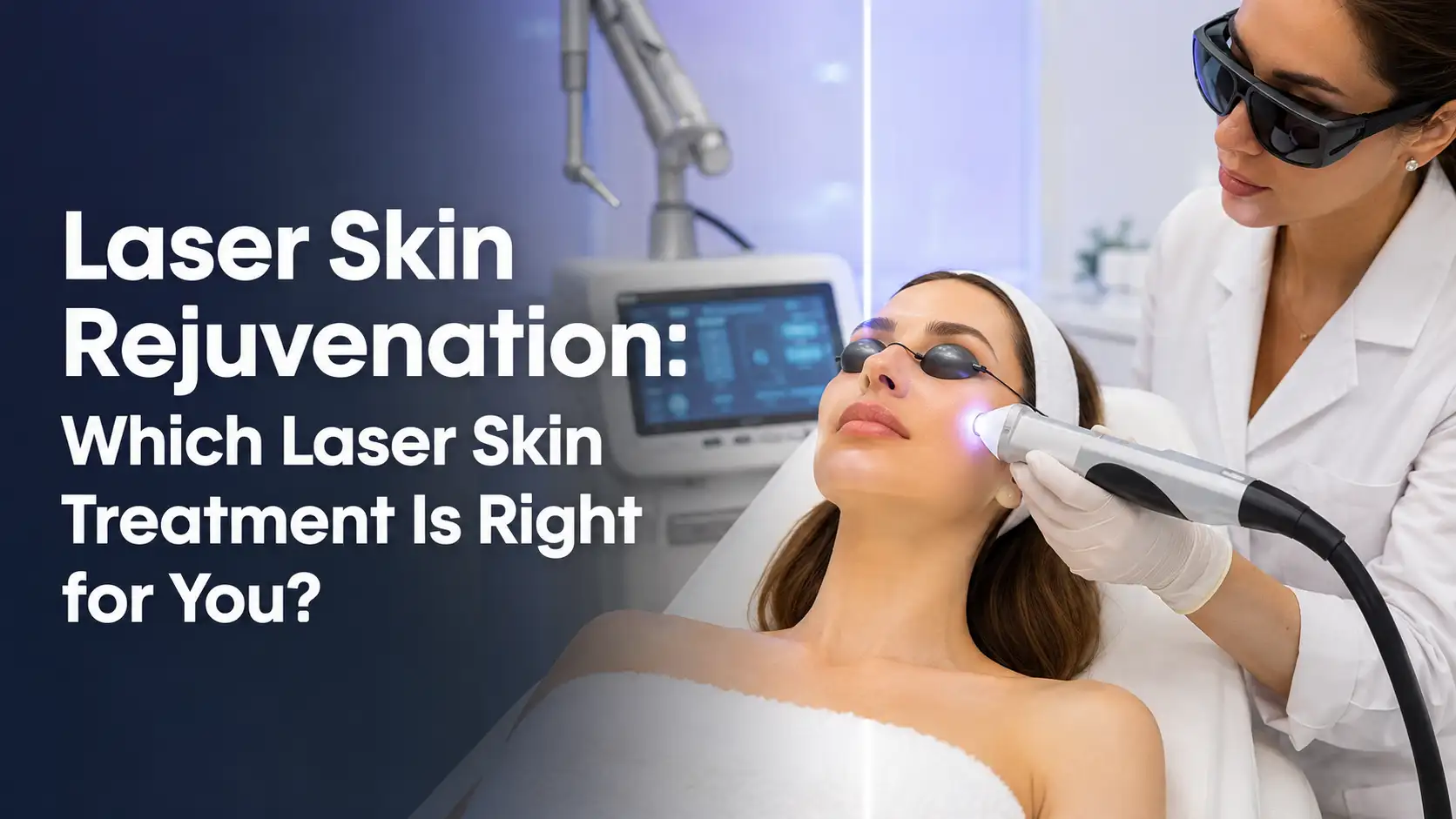
Laser skin rejuvenation is a cosmetic procedure that uses a narrow beam of light energy to enhance the skin’s appearance. It works by targeting specific layers, stimulating collagen production, and promoting healing of damaged tissue. The therapy can treat a range of issues, including fine lines, wrinkles, pigmentation, and uneven texture.
This procedure is widely used because it produces visual effects with minimal downtime. Patients typically notice results from a series of sessions, including a smoother complexion, tighter skin, and fewer signs of aging. In most cases, laser rejuvenation can be performed on any skin type when done by a professional.
How Do Laser Treatments Work?
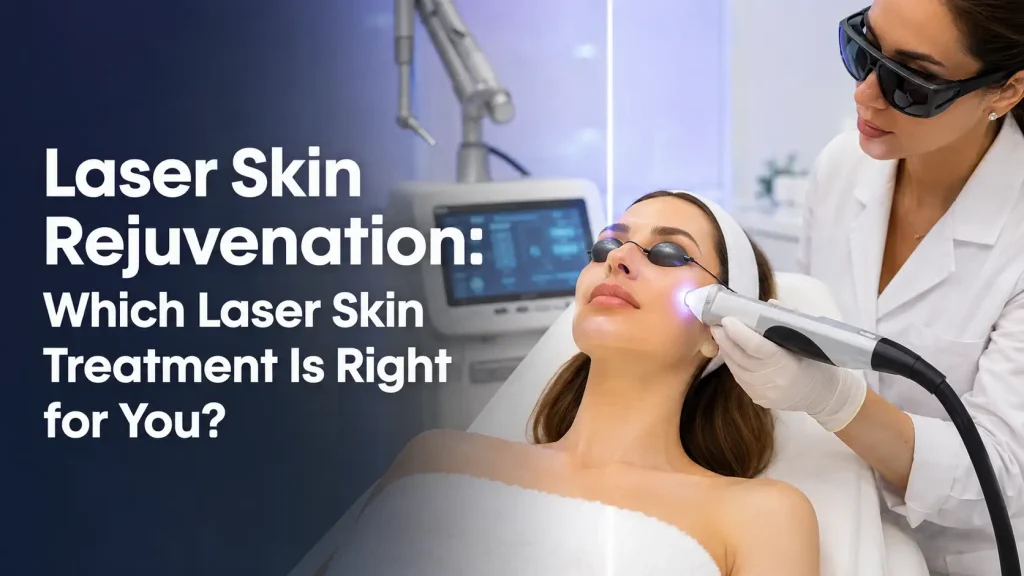
Face work: Laser face treatments use a concentrated beam of light to treat the skin. The light penetrates the target area, eliminating damaged cells and stimulating collagen synthesis. The various types of lasers address different concerns, including pigmentation and fine lines.
Laser heat promotes natural skin healing, giving it a smoother, firmer appearance. The process is accurate and causes minimal harm to neighboring tissues. Understanding each laser’s mechanism will help the patient make the most effective decisions to achieve their skin objectives.
Key Benefits of Laser Skin Rejuvenation
Laser is versatile, and this is one of its greatest strengths for the face. It can treat wrinkles, acne scars, sun damage, and pigmentation irregularities. Moreover, laser treatments typically require less time to recover than surgery.
Laser rejuvenation enhances collagen production, making the skin more elastic. Combining a regular skincare routine with CAM can help many patients achieve long-lasting results. It can also enable dermatologists to address specific concerns with precision, resulting in highly personalized treatments.
Types of Laser Skin Treatments
Laser treatments for the face come in various types, but each targets a different skin concern. The predominant types are ablative and non-ablative lasers. Ablative lasers detect damaged skin layers, while non-ablative lasers stimulate collagen without removing tissue.
Skin type, concerns, and recovery preferences determine the selection of the type. A consultation with a professional will ensure the selection of the most effective treatment. There are treatments aimed at resurfacing, others at wrinkles, pigmentation, or general tightening.
Ablative Laser Treatments
Ablative procedures include laser facial resurfacing. They remove the outer layer of skin to improve the skin beneath it, making it healthier and smoother. This type works well on deep wrinkles, scars, and sun damage.
The recovery period is more extended, yet the outcomes are more pronounced. Skin texture and firmness improve noticeably for patients. Ablative lasers are best suited for those seeking all-around rejuvenation in fewer sessions.
Non-Ablative Laser Treatments
Less invasive, non-ablative lasers use light energy to stimulate collagen without skin ablation. They are best for laser wrinkle treatment and light skin tightening, with minimal downtime.
These therapies are not immediate; they require time to deliver optimal results. They can be used with patients who want to see minor changes while still having a whole life.
What Laser Is Best for Your Skin Concern?
The most effective laser therapy for the face depends on the skin’s needs. Non-ablative lasers are effective for treating fine lines and superficial wrinkles. Ablative can be a better option for deeper wrinkles, scars, or significant sun damage.
Fractional CO2 or erbium lasers can help patients tighten their faces. Pigmentation problems are sensitive to Q-switched or pulsed-dye lasers. Taking professional advice ensures the best alternative is selected to achieve the intended outcomes.
Comparing Depth, Recovery & Results
Various types of facial laser surgeries have different depths of penetration. Shallow lasers are used to enhance surface texture, whereas deeper treatments target collagen and deeper tissues. There are also differences in recovery times: non-ablative lasers require little downtime, whereas ablative procedures take longer to heal.
The outcomes may vary by skin type and treatment frequency. A tailor-made plan will be the most beneficial and least risky. Many patients also use laser treatment alongside topical skincare to enhance results.
Who Should Consider Laser Skin Treatments?
Laser treatment can improve skin tone and appearance; anyone seeking a more even, youthful complexion can receive treatment. Applicants may have fine lines, wrinkles, acne spots, pigmentation spots, or sun spots.
Nevertheless, patients with certain skin disorders or medical histories should consult a dermatologist beforehand. Correct analysis is what makes the selected laser facial safe, effective, and tailored to a person’s needs.
Risks, Side Effects & Safety Considerations
Although laser wrinkle treatments are relatively harmless, they may cause minor side effects, including pigment changes, swelling, and redness. They usually disappear in a couple of days or weeks.
The risks are reduced by selecting a qualified dermatologist. Assessing the pre-treatment, the appropriate technique, and the post-care instructions is essential. Knowledge of safety considerations will guarantee a good experience and the best outcome.
Aftercare and Maximizing Your Results
The use of a laser on facial wrinkles should be followed by proper aftercare. This consists of avoiding sunlight exposure, using mild skincare products, and applying prescribed moisturisers or healing ointments.
Regular follow-up appointments can be used to monitor progress and sustain outcomes. Laser treatment, combined with a healthy lifestyle and skincare products, increases lifespan. Patients have observed continued improvement for several months.
How to Choose the Right Dermatologist or Clinic
Choosing a specialist to treat the best facial laser is very important. Find board-certified dermatologists who have experience in lasers on the face. Expertise can be evaluated using reviews, before-and-after photographs, and consultation discussions.
Hygiene in the clinic, high-tech equipment, and individual treatment regimens are key to safety and outcomes. An appointment with Dr Marina Fest ensures professional advice and tailored care for the best skin rejuvenation.
Conclusion
The selection of the most suitable laser for the face will be based on skin type, intended use, and professional advice. Laser treatments are effective for treating wrinkles, pigmentation, and skin tightening to give it a youthful look.
In Dr Marina Fest’s practice, patients receive attentive care, and the optimal facial laser is selected for each patient. It is now possible to achieve radiant, rejuvenated skin with professional skill, safe technology, and safe procedures.
FAQs
What is a laser facial?
A laser facial is an elective therapy that uses laser light to improve skin texture and reduce wrinkles, making the skin appear more attractive.
What laser is superior for skin tightening?
A skin-tightening laser will always be the best option, depending on the skin concerns. Face tightening is usually achieved with fractional CO2 and erbium lasers.
Are laser treatments effective in getting rid of wrinkles?
Yes, a laser on the face triggers collagen production and fills in wrinkles, making one look younger.
What number of sessions will lead to results?
In most cases, several series of facial laser treatments are needed. Ablative lasers require additional sessions, whereas non-ablative lasers are faster.